 Existing Customers

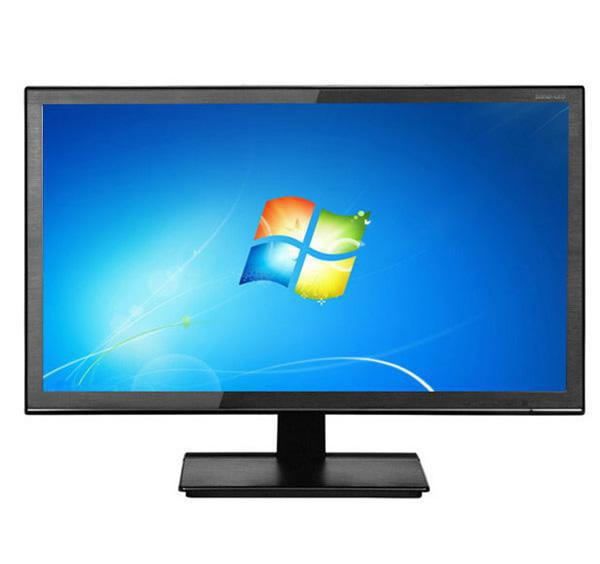
The importance of recycling computer monitors
The importance of recycling computer monitors
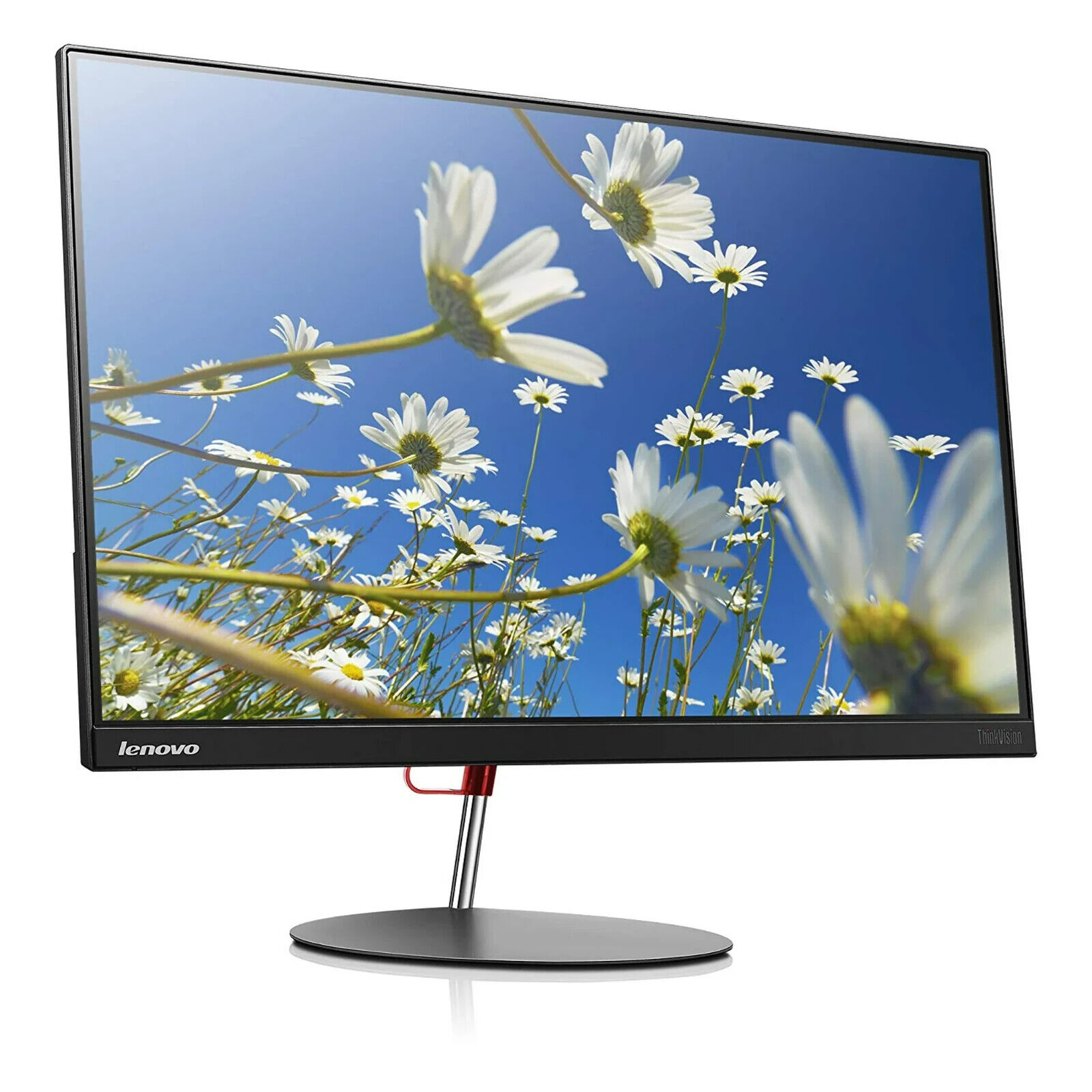
Recycling computer monitors is a critical part of responsible electronics use and a necessary step toward reducing global e-waste. As consumers and businesses replace displays with newer models, old monitors often end up in landfills or stored untreated — creating long-term environmental and health risks. Prioritising monitor recycling helps prevent toxic substances from contaminating soil and water and supports the circular economy by recovering valuable materials.
Many monitors, especially older CRT (cathode ray tube) models, contain hazardous materials such as lead and other heavy metals. Modern LCD and LED screens can include mercury backlights, cadmium in certain components, and brominated flame retardants in plastics. If not processed correctly, these substances can leach into ecosystems or produce harmful emissions during informal recycling or disposal.
Beyond hazard prevention, recycling monitors recovers scarce and valuable resources: glass, aluminum, copper, and rare earth elements used in backlights and circuitry. Reclaiming these materials reduces the need for virgin mining, saves energy, and lowers greenhouse gas emissions compared with producing new components. Responsible monitor recycling also supports refurbishment and reuse programs that extend device lifetimes and deliver low-cost technology to communities.
Choosing certified recyclers matters. Look for e-waste processors accredited under recognized standards such as e-Stewards or R2, or those complying with local WEEE regulations. Certified facilities follow strict processes for hazardous material handling, proper dismantling, safe material recovery, and verified chain-of-custody practices — reducing environmental impact and protecting worker health.
Data security is another important reason to recycle monitors responsibly. Many all-in-one displays and monitors with integrated storage or connected systems can retain personal or corporate data. Recyclers that offer certified data destruction or secure refurbishment practices ensure sensitive information is erased before components are reused or recycled.
Refurbishment and reuse programs extend the economic and environmental benefits of monitor recycling. Functional displays can be repaired and redeployed to schools, nonprofits, and low-income households, reducing electronic inequality and keeping devices in service longer. Even non-functional monitors have salvage value: metal frames, circuit boards, and glass can be processed into new products.
How to recycle your monitor
Find local options through municipal recycling events, retailer take-back programs, or specialized e-waste collection centers. Many manufacturers and large electronics retailers offer trade-in and recycling schemes. For businesses, consider third-party certified asset disposition (ITAD) services that provide pickup, secure data sanitization, and documentation to meet corporate compliance needs.
Before recycling, prepare your monitor by backing up data, disconnecting cables, and removing any peripheral devices. For monitors that are part of a larger system, ensure the computer’s storage devices are handled according to data security policies. Ask recyclers for certificates of recycling or destruction to verify proper handling and for records useful in sustainability reporting.
Recycling computer monitors reduces landfill burden, prevents pollution, conserves resources, and supports a healthier economy and environment. By choosing certified recyclers, participating in refurbishment programs, and following local disposal rules, individuals and organizations can make a measurable contribution to sustainable electronics management. Act now: check local recycling options and make monitor recycling part of your sustainable technology practices.
So, the next time you are ready to do some Computer Recycling, remember. You now have a choice.
Why not Contact Us today and arrange a FREE collection of your old and outdated computer equipment or just use the Online Booking form - Collection Is FREE
Book A CollectionNationwide Service

Customer Reviews
-
 A brilliant service, I wish you were closer to our home in Hampshire!
18/08/2026 Verified By Google
It was so easy to arrange a collection with CPR. They set a date quickly and sent clear to follow instructions. All items were processed swiftly and certificates of data destruction received. It's great to see what can be used for parts and what can be reused. Would 100% book again!
17/08/2026 Verified By This Website
Excellent service. I have used them before and from start to finish very easy to navigate their website. This visit they were in my area so were proactive and I had started storing devices for them to collect so I was very pleased when they contacted me. Collection was easy and staff always friendly and helpful. I will continue using them in the future
20/08/2026 Verified By Google




 Facebook
 Twitter
 LinkedIn
 Instagram